The Pinnacle of Motorsport

Decoding the Modern Formula 1 Machine

Explore the engineering extremes that define the fastest circuit-racing cars in the world. From ground-effect aerodynamics to thermal-efficient hybrid power units, Jivarowonderfl provides definitive analysis of F1 vehicle dynamics.

DownforceHigh
DragVariable
FocusFloor

Abstract fluid dynamics visualization representing aerodynamics

Ground Effect & Aerodynamics

Discover how underfloor venturi tunnels and complex wing geometries generate immense downforce to corner at over 5G.

Read Guide
Engine1.6L V6
Output~1000hp
Efficiency>50%
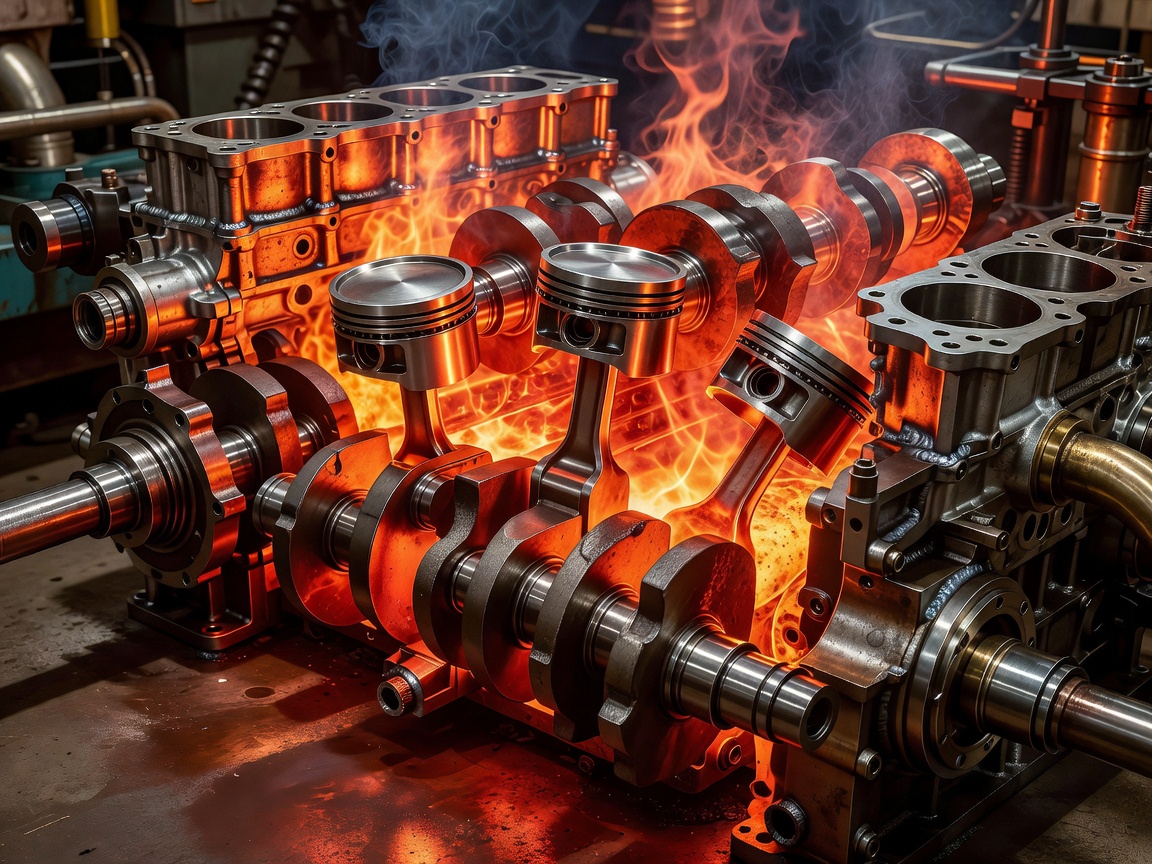
Metallic engine components glowing with heat

V6 Hybrid Power Units

An inside look at the internal combustion engine mated to MGU-K and MGU-H hybrid systems, creating unprecedented thermal efficiency.

Read Guide
Rim Size18 Inch
CompoundsC1 to C5
DegradationThermal
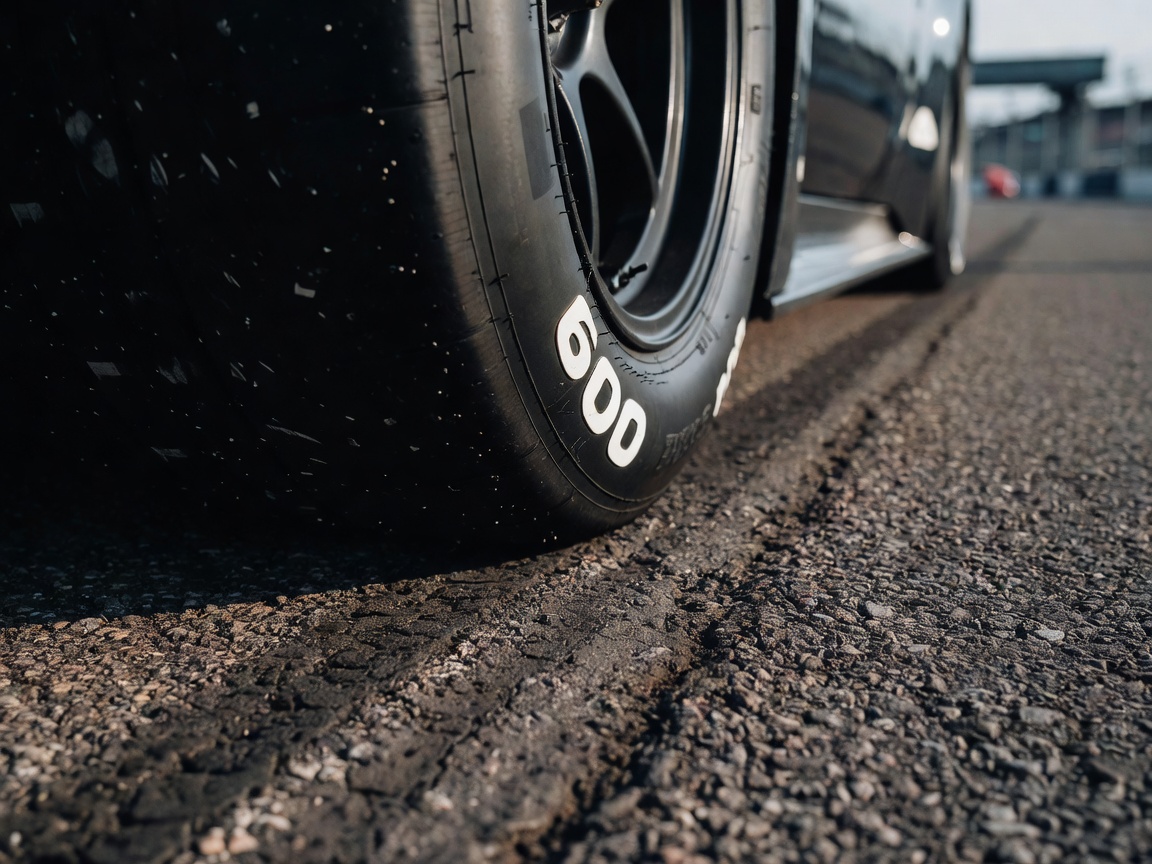
Close up of black racing slick rubber on tarmac

Tyre Compounds & Dynamics

Understand the critical role of the Pirelli rubber connecting the car to the track, including thermal management and strategic degradation.

Read Guide
MaterialCarbon
Min Weight798 kg
SafetyHalo
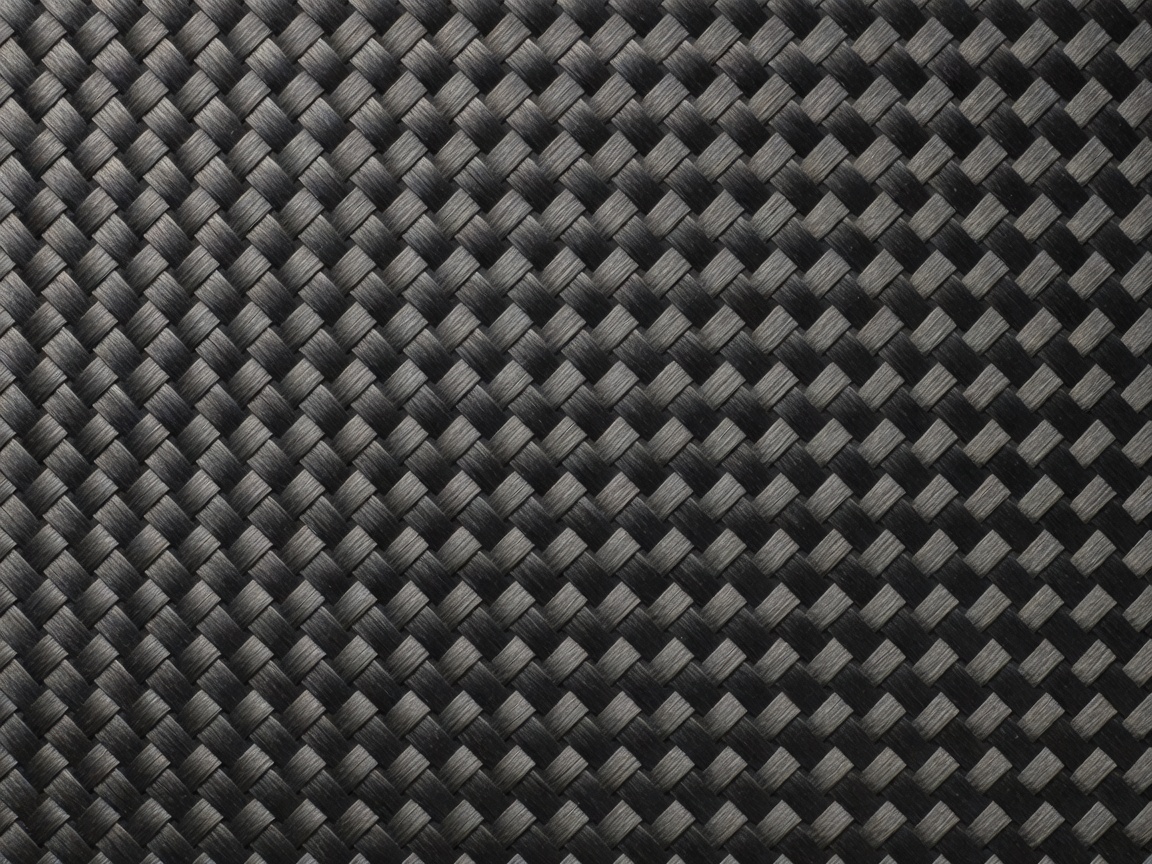
Carbon fibre weave pattern texture

Monocoque & Chassis

Explore the ultra-lightweight, high-strength carbon fibre survival cell that protects the driver while providing structural rigidity.

Read Guide
DesignWishbone
SetupPush/Pull
StiffnessExtreme
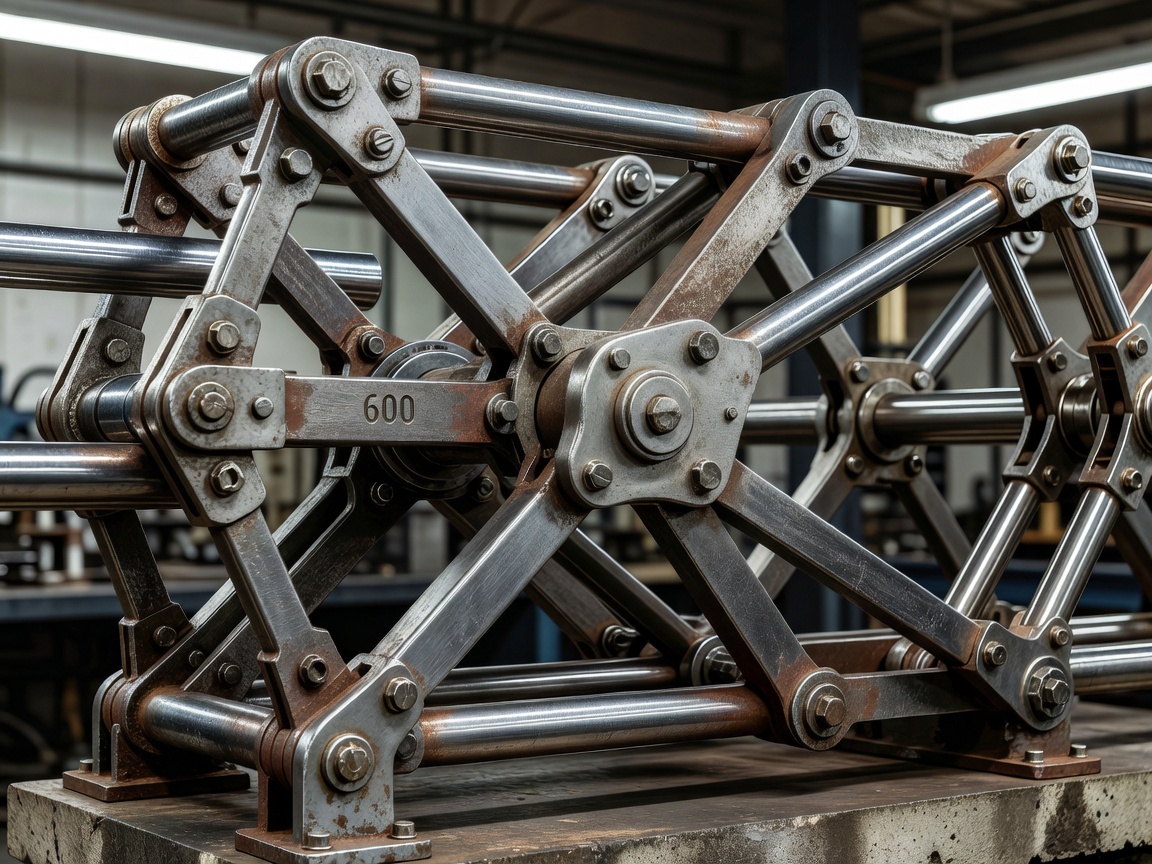
Mechanical linkages and metallic struts

Suspension Systems

Delve into the complex geometry of push-rod and pull-rod linkages, heave dampers, and anti-roll bars that manage platform stability.

Read Guide

The Evolution of Technical Regulations

Formula 1 is as much a constructor's championship as it is a driver's championship. Every era is defined by a specific set of rules written by the FIA (Fédération Internationale de l'Automobile), challenging engineers to find the optimum balance within strict boundaries.

Recent overhauls, most notably the 2022 regulation change, fundamentally shifted how cars generate lap time. By prioritizing underbody ground effect over complex over-body airflow, the sport sought to reduce "dirty air" (turbulent wake), allowing cars to follow one another more closely and encouraging overtaking.

  • 2014 Shift: Introduction of the 1.6L V6 Turbo Hybrid era, emphasizing efficiency and electrical energy recovery.
  • 2017 Shift: Wider track width and massive tyres, leading to the fastest, highest-downforce cars in history.
  • 2022 Shift: The return of ground-effect floors, 18-inch wheel rims, and simplified front wing structures to clean up wakes.
  • 2026 Horizon: The upcoming removal of the MGU-H, a shift toward a 50/50 electrical-to-combustion power split, and active aerodynamics.