Ground Effect & Aerodynamics
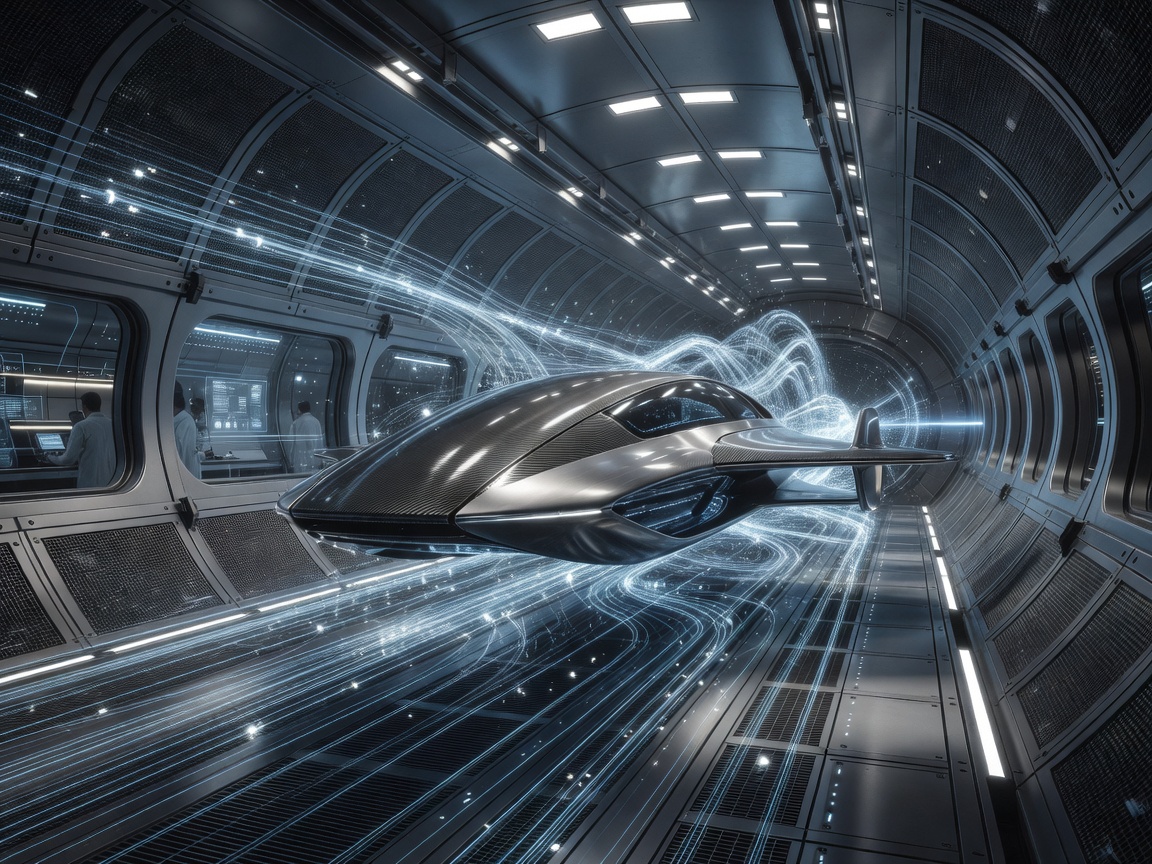
Aerodynamics is the single most important performance differentiator in modern Formula 1. While a powerful engine provides straight-line speed, manipulating the air flowing over, under, and around the car dictates how fast a driver can navigate a corner. Since the sweeping regulation changes introduced in 2022, the philosophy of F1 aerodynamics has pivoted fundamentally from over-body downforce to under-body "ground effect."
The Principle of Ground Effect
Ground effect relies on Bernoulli’s principle. As the car moves forward, air is channeled underneath the floor through large inlets at the front of the sidepods. This underfloor is shaped into two massive Venturi tunnels. Because the tunnels narrow and then expand toward the rear diffuser, the air is forced to accelerate.
This rapid acceleration of air causes a massive drop in static pressure beneath the car relative to the ambient air pressure pressing down from above. The result is a suction effect that pulls the car directly into the tarmac. Unlike traditional front and rear wings, ground effect downforce produces very little aerodynamic drag, making it highly efficient.
Key Aerodynamic Components
1. The Front Wing
The front wing is the first part of the car to meet the oncoming airflow. Its primary purpose is not just to generate front-end grip, but to condition the air for the rest of the car. Modern regulations limit the complexity of front wings to a maximum of four elements (a main plane and three flaps). The outer edges are designed to produce "outwash"—pushing the turbulent wake generated by the rotating front tyres away from the vital underfloor inlets.
2. The Floor and Diffuser
The floor is responsible for over 60% of a modern F1 car's total downforce. The edges of the floor feature complex geometries—often referred to as floor edge wings or "skates"—designed to seal the low-pressure area underneath by creating vortices. These vortices act as invisible air skirts, preventing high-pressure air from spilling underneath and ruining the suction. The diffuser at the rear expands the air back to ambient pressure, driving the entire underfloor extraction process.
3. The Rear Wing and DRS
The rear wing balances the immense downforce generated by the floor and front wing. Because rear wings are inherently "draggy," teams change their specifications based on the track. For example, at Monaco, teams run massive rear wings for maximum cornering grip. At Monza, wings are nearly flat to maximize top speed.
The Drag Reduction System (DRS) is a moveable flap on the rear wing. When a car is within one second of the car ahead at specific track detection points, the driver can open this flap, shedding drag and gaining up to 15-20 km/h in top speed to aid overtaking.
Setup Trade-offs: Downforce vs Drag
Aerodynamics is a constant compromise. Generating downforce usually increases aerodynamic drag (the resistance the air exerts against the car’s forward motion). Engineers must map a car's aerodynamic efficiency—the ratio of downforce (L) to drag (D).
| Track Type | Example Circuit | Aero Setup | Top Speed Target |
|---|---|---|---|
| High Downforce | Monaco, Singapore | Steep wing angles, maximum flap elements, high drag. | ~290 km/h |
| Medium Downforce | Silverstone, Suzuka | Balanced wing angles, emphasis on floor efficiency for high-speed corners. | ~320 km/h |
| Low Downforce | Monza, Las Vegas | "Skinny" wings, trimmed flaps, minimal drag. | ~350+ km/h |
Pros and Cons of Ground Effect Regulations
The return to ground effect was targeted at improving the quality of racing, but it introduced new engineering headaches.
- Pros: A cleaner aerodynamic wake, allowing cars to follow closely without losing 40-50% of their front downforce. Extremely efficient downforce generation at high speeds.
- Cons: "Porpoising" or aerodynamic bouncing. Because ground effect relies on the car being as close to the ground as possible, if the floor touches the track, the aero seal breaks, downforce is lost, the car springs up, regains downforce, and is sucked back down. This creates a violent, high-frequency bouncing effect on long straights.
Aerodynamic development remains a heavily restricted arms race, governed by cost caps and sliding scales for wind tunnel testing time. The ultimate goal remains unchanged: manipulate the air to stick the car to the road.